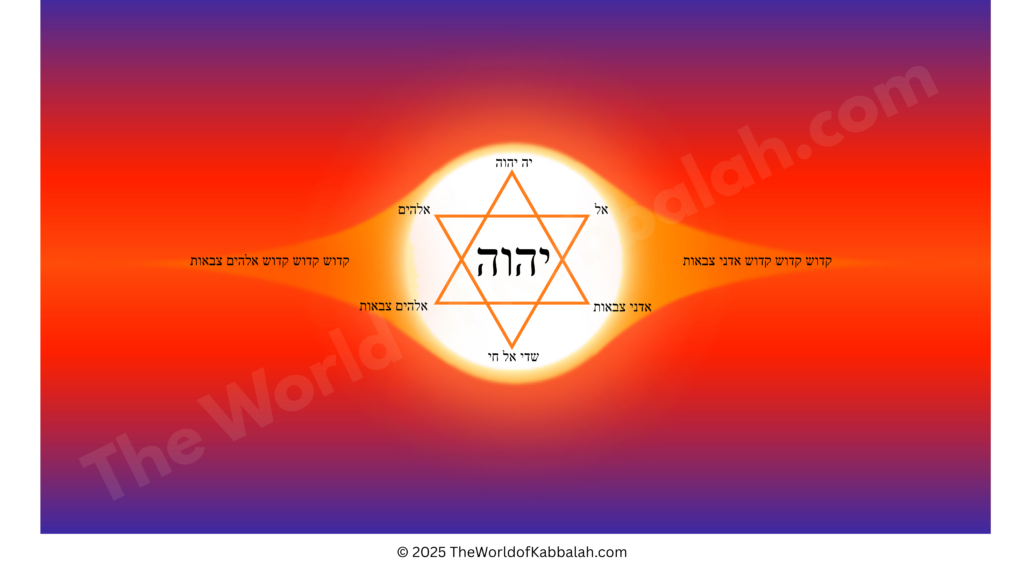
The 72 Names of God

שם המפורש
The 72 Names of God are derived from three verses in the Torah, in Exodus (14:19-21), forming the Shem HaMephorash שם המפורש, each representing a unique Divine frequency.
 
In Kabbalah the 72 Names provide access to immense Divine light and power through specific letter combinations from the Torah.
 
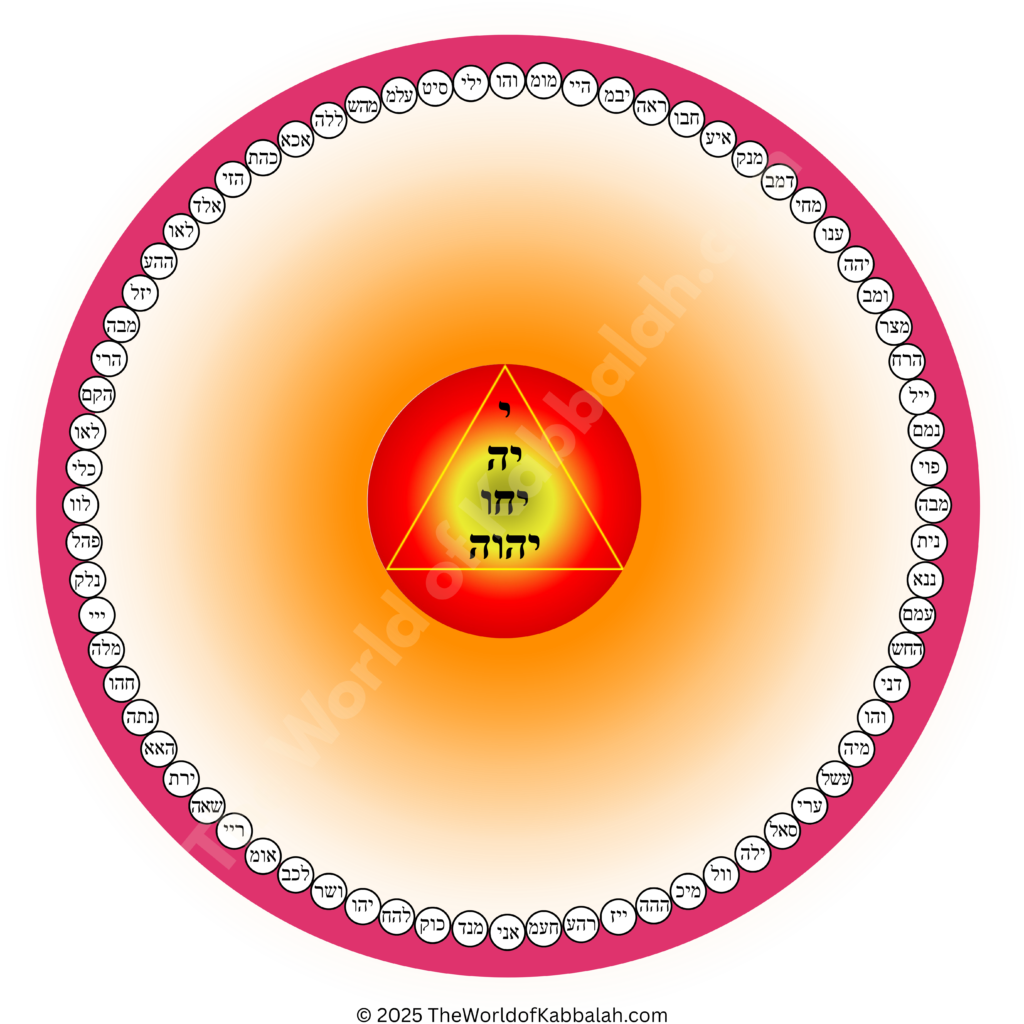
In “SolomonicHealing.com” we have uniquely arranged the Shem HaMephorash
שם המפורש in a circle focusing on the most sacred name, the Tetragrammaton Yod Hey Vav Hey יהוה as written in the center.
 
The Gematria of the Tetragrammaton יהוה , in the center of the circle is 72.
 
72 Names focused on יהוה as scribed in the center, with a gematria of 72.


The names that follow are read in both Hebrew and English from right to left.
 
והו
 
 
Vav-Hey-Vav
(Read from right to left)

 1

 
והו is the 1st of the 72 names of God.
 
In the Kabbalistic tradition, והו is a channel to connect with the infinite light of the Creator.
 
ילי
 
 
Yod-Lamed-Yod
(Read from right to left)

 2

 
ילי is the 2nd of the 72 names of God.
 
In the Kabbalistic tradition, ילי is used to elevate and heal those who are ill.
 
סיט
 
 
Tet-Yod-Samech
(Read from right to left)

3

 
סיט is the 3rd of the 72 names of God.
 

In the Kabbalistic tradition, סיט is used to free oneself from blockages caused by the ego, selfishness, anger, and self-pity.

 
עלמ


Mem-Lamed-Ayin
(Read from right to left)

4

 
עלמ is the 4th of the 72 names of God.
 

In the Kabbalistic tradition, עלמ helps us to eliminate negative thought patterns which are blocking our way forward.

Eliminating negative thought patterns is a fundamental aspect of Solomonic Healing.
 
מהש


Shin-Hey-Mem  
(Read from right to left)

5

 
מהש is the 5th of the 72 names of God.
 

In the Kabbalistic tradition, מהש helps us to accept responsibility for our behavior.

When we are able to accept responsibility for ourselves, we can find peace.

 
ללה


Hey-Lamed-Lamed
(Read from right to left)

6

 
ללה is the 6th of the 72 names of God.
 

In the Kabbalistic tradition, ללה assists us to receive messages from the universe during sleep.

 
אכא


Aleph-Kaf-Aleph
(Read from right to left)

7

 
אכא is the 7th of the 72 names of God.
 

In the Kabbalistic tradition, אכא is used to restore order and structure when our lives feel chaotic.

We incarnate with a purpose and אכא helps us find the purpose.

 
כהת


Tav-Hey-Kaf
(Read from right to left)

8

 
כהת is the 8th of the 72 names of God.
 

In the Kabbalistic tradition, כהת is used to reduce stress and defuses overwhelming negative energy from within oneself.

 
הזי


Yod-Zayin-Hey
(Read from right to left)

9

 
הזי is the 9th of the 72 names of God.
 

In the Kabbalistic tradition, הזי is used to clear away “misfortune” and to bring order to situations which feel chaotic, even if the situations originated from your own negative thoughts, words, or actions.

 
אלד


Daled-Lamed-Aleph
(Read from right to left)

10

 
אלד is the 10th of the 72 names of God.
 

In the Kabbalistic tradition, אלד protects one from the dark thoughts of others and reduces one’s own desire to harm others.
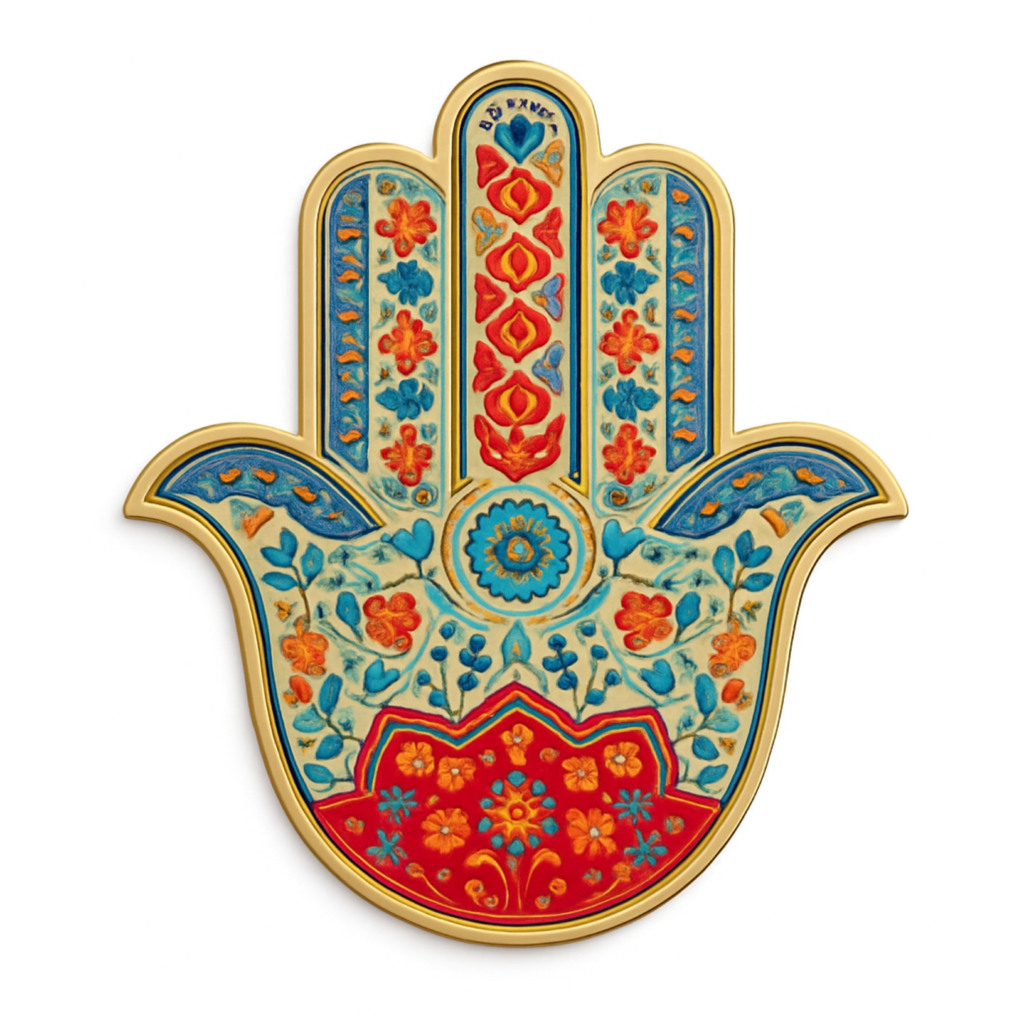
The Hamsa originated in Mesopotamia about 4,000 BC. It is a palm-shaped amulet used for protection against the “evil eye”. It is used in modern Judaism (and other cultures) as a symbol of Divine protection and strength.
 
לאו


Vav-Aleph-Lamed
(Read from right to left)

11

 
לאו is the 11th of the 72 names of God.
 

In the Kabbalistic tradition, לאו signifies that God brings peace and assurance even in the midst of fear, chaos, and conflict.

 
ההע


Ayin-Hey-Hey
(Read from right to left)

12

 
ההע is the 12th of the 72 names of God.
 

In the Kabbalistic tradition, ההע helps us to transform hatred into unconditional love, to dissolve animosity, and to create harmony.

In the Torah, ההע reminds us to “Love thy neighbor as thyself”.
 
יזל


Lamed-Zayin-Yod
(Read from right to left)

13

 
יזל is the 13th of the 72 names of God.
 

In the Kabbalistic tradition, יזל is used to find inner peace, harmony, and joy.

 
מבה


Hey-Bet-Mem
(Read from right to left)

14

 
מבה is the 14th of the 72 names of God.
 

In the Kabbalistic tradition, מבה is used to find peaceful solutions to major conflicts.

 
הרי


Yod-Rosh-Hey
(Read from right to left)

15

 
הרי is the 15th of the 72 names of God.
 

In the Kabbalistic tradition, הרי helps us to foresee the consequences of our behaviour.

 
הקם


Mem-Kaf-Hey
(Read from right to left)

16

 
הקם is the 16th of the 72 names of God.
 

In the Kabbalistic tradition, הקם empowers us with the emotional resilience needed to stand again after failures and to find the endurance to face unbearable situations.

הקם Encourages us to release self-pity, dust ourselves off and start again.
 
לאו


Vav-Aleph-Lamed
(Read from right to left)

17

 
לאו is the 17th of the 72 names of God.
 

In the Kabbalistic tradition, לאו frees us from the entrapment of the ego.

 
כלי


Yod -Lamed-Kaf
(Read from right to left)

18

 
כלי is the 18th of the 72 names of God.
 

In the Kabbalistic tradition, כלי brings new energy, new ideas, and creativity into our lives.

It also assists in creating fertility.

 
לוו


Vav-Vav-Lamed
(Read from right to left)

19

 
לוו is the 19th of the 72 names of God.
 

In the Kabbalistic tradition, לוו represents unity in the path between Yichida יחיד and Malkut מלכות between the highest spiritual realm and physicality.

 
פהל


Lamed-Hey-Peh
(Read from right to left)

20

 
פהל is the 20th of the 72 names of God.
 

In the Kabbalistic tradition, פהל assists with the removal of negative energy.

 
נלק


Kaf-Lamed-Nun
(Read from right to left)

21

 
נלק is the 21st of the 72 names of God.
 

In the Kabbalistic tradition, נלק helps us to remove negative energy, and to control mind over matter.

 
ייי


Yod-Yod-Yod
(Read from right to left)

22

 
ייי is the 22nd of the 72 names of God.
 

In the Kabbalistic tradition, ייי is a powerful and mystical Divine name we may invoke to bless, protect, and heal others.

 
מלה


Hey-Lamed-Mem
(Read from right to left)

23

 
מלה is the 23rd of the 72 names of God.
 

In the Kabbalistic tradition, מלה means “Sharing the Flame”. We are encouraged to “spread light” and ancient wisdom to others.

 
חהו


Vav-Hey-Chet
(Read from right to left)

24

 
חהו is the 24th of the 72 names of God.
 

In the Kabbalistic tradition, חהו helps us to release past mistakes and forgive ourselves.

 
נתה


Hay Tav Nun
(Read from right to left)

25

 
נתה is the 25th of the 72 names of God.
 

In the Kabbalistic tradition, נתה gives us the courage to speak our minds and to tell the truth.

 
האא


Aleph-Aleph-Hey
(Read from right to left)

26

 
האא is the 26th of the 72 names of God.
 

In the Kabbalistic tradition, האא helps us to find order when everything around and within us feels chaotic. האא guides us to navigate through the rocky reefs of life.

 
ירת


Tav-Rosh-Yod
(Read from right to left)

27

 
ירת is the 27th of the 72 names of God.
 

In the Kabbalistic tradition, ירת is a plea to Divinity to assist in creating abundance in our lives.

 
שאה


Heh Aleph Shin
(Read from right to left)

28

 
שאה is the 28th of the 72 names of God.
 

In the Kabbalistic tradition, שאה is used in meditation to find a soulmate and to strengthen a relationship.

 
ריי


Yod-Yod-Rosh
(Read from right to left)

29

 
ריי is the 29th of the 72 names of God.
 

In The World of Kabbalah, the expression of hatred and anger is forbidden. When hatred and anger surge within us, we are required to use the power of those emotions to create positivity.

 
אומ


Mem-Vav-Aleph
(Read from right to left)

30

 
אומ is the 30th of the 72 names of God.
 

In the Kabbalistic tradition, אומ is utilized in meditation for uniting people and fostering connection.

 
לכב


Bet-Kaf-Lamed
(Read from right to left)

31

 
לכב is the 31st of the 72 names of God.
 

In the Kabbalistic tradition, לכב means “finish what you start”.

 
ושר


Vav-Shin-Rosh
(Read from right to left)

32

 
ושר is the 32nd of the 72 names of God.
 

In the Kabbalistic tradition, ושר assists us to break the cycle of repetitive mistakes.

 
יהו


Yod-Hey-Vav
(Read from right to left)

33

 
יהו is the 33rd of the 72 names of God.
 

In the Kabbalistic tradition, יהו helps us to overcome the self-centered ego and to eliminate envy and jealously.

 
להח


Chet-Hey-Lamed
(Read from right to left)

34

 
להח is the 34th of the 72 names of God.
 

In the Kabbalistic tradition, להח brings order into our lives.


כוק


Kaf-Vav-Kaf
(Read from right to left)

35

 
כוק is the 35th of the 72 names of God.
 

In the Kabbalistic tradition, sexual intimacy between a married couple is a Divine act that unifies the right (masculine) and the left (female) energies of the Tree of Life.

In The world of Kabbalah, the Divine presence between an intimate couple creates a state of “oneness”.
 
מנד


Mem-Nun-Dalet
(Read from right to left)

36

 
מנד is the 36th of the 72 names of God.
 

In the Kabbalistic tradition, we use מנד to dispel fear, to conquer panic and to overcome paranoia.

 
אני


Yod-Nun-Aleph
(Read from right to left)

37

 
אני is the 37th of the 72 names of God.
 

In the Kabbalistic tradition, אני helps us to focus on the “bigger picture”. We cannot move forward when our minds are filled with triviality.

 
חעמ


Mem-Ayin-Chet
(Read from right to left)

38

 
חעמ is the 38th of the 72 names of God.
 

In the Kabbalistic tradition, חעמ gives us the ability to give and receive love

In the World of Solomonic Healing, the energies of, חעמ are located in the right and left shoulders, corresponding to the Sephirot of Chesed חסד and Gevurah גבורה.
 
Fundamentally we cannot find love from others if we do not love ourselves.
 
רהע


Ayin-Hey-Rosh
(Read from right to left)

39

 
רהע is the 39th of the 72 names of God.
 

In the Kabbalistic tradition, רהע enables us to “discern the truth,” and to understand the consequences of making assumptions.

 
ייז


Zayin-Yod-Yod
(Read from right to left)

40

 
ייז is the 40th of the 72 names of God.
 

In the Kabbalistic tradition, Adam אדם was created as a being with self-awareness of past, present and future.

ייז enables us to assists us to connect with the qualities bestowed on Adam.

 
ההה


Hey-Hey-Hey
(Read from right to left)

41

 
ההה is the 41st of the 72 names of God.
 

In the World of Solomonic Healing, the energy of ההה is located over the left shoulder, residing in the 5th Sephira of the Tree of life, Gevurah גבורה. The energy of ההה is used to build self-esteem.

 
מיכ


Mem-Yod-Kaf
(Read from right to left)

42

 
מיכ is the 42nd of the 72 names of God.
 

In The World of Kabbalah, מיכ is considered to be the 42nd name of God. מיכ helps us to discover hidden truths and uncover the concealed.

 
וול


Lamed-Vav-Vav
(Read from right to left)

43

 
וול is the 43rd of the 72 names of God.
 

In The World of Kabbalah, וול informs us that space, time and matter are illusions.

The Torah informs us that,
 
“everything is no more than a grain of mustard”,
and that
“Everything that will happen has already happened”.
 
When we understand this, we can release obsessions about the past, and fear of the future.
We must focus instead on the “now”.
 
“The distinction between past, present and future is only a stubbornly persistent illusion”.
Albert Einstein.
 
Einstein’s most famous equation, E = MC2 redefined matter as a form of energy.
 
We can rearrange the formula as follows:
 
E = MC2
Therefore M = E / C2
 
Mass = Energy divided by the speed of light squared.
 
We are simply frequencies!
 
Solidity is an illusion!
 
This is entirely in accordance with the modern science of MRI scans, which demonstrates that we are not solid.
 
ילה


Hey-Lamed-Yod
(Read from right to left)

44

 
ילה is the 44th of the 72 names of God.
 

In The World of Kabbalah, ילה is used to generate compassion and self-love. In the Tree of Life ילה resides in the 4th Sephira of Chesed חסד, over the right shoulder.

In Solomonic Healing we cannot love others unless we love ourselves.
 
סאל


Lamed-Aleph-Samech
(Read from right to left)

45

 
סאל is the 45th of the 72 names of God.
 

In the Kabbalistic tradition, סאל manifests abundance in our lives.

 
ערי


Yod-Rosh-Ayin
(Read from right to left)

46

 
ערי is the 46th of the 72 names of God.
 

In the Kabbalistic tradition, ערי imbues us with absolute certainty that God’s presence is Yichida יחידה.

Everywhere and everything.
 
עשל


Lamed-Shin-Ayin
(Read from right to left)

47

 
עשל is the 47th of the 72 names of God.
 

In the world of Solomonic Healing, עשל increases our personal power so that we are able to give and receive unconditional love and self-acceptance.

In the Tree of Life these energies are located in Chesed חסד and Gevurah גבורה.
 
In Solomonic Healing, the frequencies of Chesed חסד and Gevurah גבורה are located in the right and left shoulders.
 
מיה


Heh-Yod-Mem
(Read from right to left)

48

 
מיה is the 48th of the 72 names of God.
 

In the world of Solomonic Healing, מיה is a tool to achieve emotional harmony between our soul and our body.

Our spiritual soul enters our body in the eighth week of pregnancy.  The “meeting” may not always be harmonious.
 
והו


Vav-Heh-Vav
(Read from right to left)

49

 
והו is the 49th of the 72 names of God.
 

In the Kabbalistic tradition, והו helps us to overcome feelings of despair and to find joy in difficult circumstances.

 
דני


Yod-Nun-Daled
(Read from right to left)

50

 
דני is the 50th of the 72 names of God.
 

In The World of Kabbalah, דני helps us overcome the relentless pursuit for greater wealth or status.

The excessive desire to have more, resides in the left column of the Tree Of Life.
 
Solomonic Healing helps to achieve balance between the excessive desire to want everything and the excessive desire to give too much.
 
We seek balance and harmony in the middle column of the Tree of Life.
 
החש


Shin-Chet-Hey
(Read from right to left)

51

 
החש is the 51st of the 72 names of God.
 

In The World Kabbalah, we use החש to release the chains of guilt and break free from the weight of past errors.


עמם


Mem-Mem-Ayin
(Read from right to left)

52


עמם is the 52nd of the 72 names of God.

In the Kabbalistic tradition, עמם  helps us to eliminate negative thoughts, and to free the way to truth and integrity.

BIBLIOGRAPHY

 
ננא


Aleph-Nun-Nun
(Read from right to left)

53

 
ננא is the 53rd of the 72 names of God.
 
In The Tree of Life, ננא resides in the 4th Sephira of Chesed חסד,
unconditional love.
 
In Solomonic Healing we seek the balance between excessive restraint, Gevurah גבורה and unconditional love, Chesed חסד.

BIBLIOGRAPHY

 
נית


Tav-Yod-Nun
(Read from right to left)

54

 
נית is the 54th of the 72 names of God.
 
In the World of Kabbalah our bodies die, not our souls.
 
נית assists our souls to depart our bodies peacefully.
 
In medical science there are records of thousands of “near death experiences” which tell us that at the moment of death, the body feels a great sense of relief and peace.

BIBLIOGRAPHY

 
מבה


Hey-Bet-Mem
(Read from right to left)

55

 
מבה is the 55th of the 72 names of God.
 
In The World of Kabbalah, we use מבה to overcome procrastination; manifesting thoughts and turning plans into action.

BIBLIOGRAPHY

 
פוי


Yod-Vav-Peh
(Read from right to left)

56

 
פוי is the 56th of the 72 names of God.
 
In the Kabbalistic tradition, we use פוי to dispel the negative energy of anger.

BIBLIOGRAPHY

 
נמם


Mem-Mem-Nun
(Read from right to left)

57

 
נמם is the 57th of the 72 names of God.
 
In the Kabbalistic tradition, נמם is used in meditation to transcend the ego and find our soul’s purpose.

BIBLIOGRAPHY

 
ייל


Lamed-Yod-Yod
(Read from right to left)

58

 
ייל is the 58th of the 72 names of God.
 
In the Kabbalistic tradition, ייל help us to release past baggage or attachments that prevent us moving forward in life.
 

In The Tree of Life, the frequency of ייל resides in the eight Sephira of Hod הוד.

In Solomonic Healing we neutralise the energy of Hod הוד to enable us to give up endeavors that don’t suit our purpose.
 

BIBLIOGRAPHY

 
הרח


Chet-Rosh-Hey
(Read from right to left)

59

 
הרח is the 59th of the 72 names of God.
 
In the Kabbalistic tradition, הרח is used in meditation to achieve intellectual clarity, mental health, and the dissemination of wisdom.

BIBLIOGRAPHY

 
מצר


Rosh-Tsadik-Mem
(Read from right to left)

60

 
מצר is the 60th of the 72 names of God.
 
In the Kabbalistic tradition, מצר is used in meditation to gain the personal power needed to transform from being self-centered to genuinely empathetic.

BIBLIOGRAPHY

 
ומב


Bet-Mem-Vav
(Read from right to left)

61

 
ומב is the 61st of the 72 names of God.
 
In the Kabbalistic tradition, ומב is used to remove negative energy from a person or an environment.
 
In Solomonic Healing we have created Merkabah “cards” using the Kabbalistic energies of the Sephirot Netzach נצח and Hod הוד, from the Tree of Life, with the power to permanently remove negative energy from people and from building environments.

The Merkabah Card

 
יהה


Heh-Heh-Yod
(Read from right to left)

62

 
יהה is the 62nd of the 72 names of God.
 
In the Kabbalistic tradition, יהה is a bridge to maintain the bond between parents and their children in moments of conflict.

BIBLIOGRAPHY

 
ענו


Vav-Nun-Ayin
(Read from right to left)

63

 
ענו is the 63rd of the 72 names of God.
 
In the Kabbalistic tradition, ענו expresses gratitude for each life we experience in physicality.

BIBLIOGRAPHY

 
מחי


Yod-Chet-Mem
(Read from right to left)

64

 
מחי is the 64th of the 72 names of God.
 
In the Kabbalistic tradition, מחי is used in meditation to vividly recall burdensome memories
and cleanse oneself of negativity. To “let go” of guilt or feelings of revenge.

BIBLIOGRAPHY

 
דמב


Bet-Mem-Dalet
(Read from right to left)

65

 
דמב is the 65th of the 72 names of God.
 
In the Kabbalistic tradition, דמב is intended for us to foresee the future consequences of current behaviour.

BIBLIOGRAPHY

 
מנק


Kaf-Nun-Mem
(Read from right to left)

66

 
מנק is the 66th of the 72 names of God.
 
In the Kabbalistic tradition, requires that we eradicate “victim’s mentality” and be accountable for our own choices.

BIBLIOGRAPHY

 
איע


Ayin-Yod-Aleph
(Read from right to left)

67

 
איע is the 67th of the 72 names of God.
 
In the Kabbalistic tradition, meditating on איע help us to face disappointment when our expectations are not met.
 
In The world of Kabbalah, we learn that everything that happens is destined to happen. The only choice we have is our reaction to success or failure.
 
We must appreciate the present.

BIBLIOGRAPHY

 
חבו


Vav-Bet-Chet
(Read from right to left)

68

 
חבו is the 68th of the 72 names of God.
 
In the Kabbalistic tradition, חבו assists us to be creative.

BIBLIOGRAPHY

 
ראה


Hey-Aleph-Rosh
(Read from right to left)

69

 
ראה is the 69th of the 72 names of God.
 
In the Kabbalistic tradition, ראה helps us recognize cause-and-effect in our behavior.

BIBLIOGRAPHY

 
יבמ


Mem-Bet-Yod
(Read from right to left)

70

 
יבמ is the 70th of the 72 names of God.
 
In the Kabbalistic tradition, יבמ assists us in “finding order in chaos”.

BIBLIOGRAPHY

 
היי


Yod-Yod-Hey
(Read from right to left)

71

 
היי is the 71st of the 72 names of God.
 
In the Kabbalistic tradition,היי helps us to overcome impediments and to “breathe life” into a new project or new relationship.

BIBLIOGRAPHY

 
מומ


Mem-Vav-Mem
(Read from right to left)

72

 
מומ is the 72nd of the 72 names of God.
 
In the Kabbalistic tradition, מומ is associated with purification, rectification, and the power of “Tikkun”, fixing what is broken.

BIBLIOGRAPHY