The 2nd Religious Commandment
“Thou shalt have no other Gods (Adonai Elohim) before me is the second commandment in the Torah”
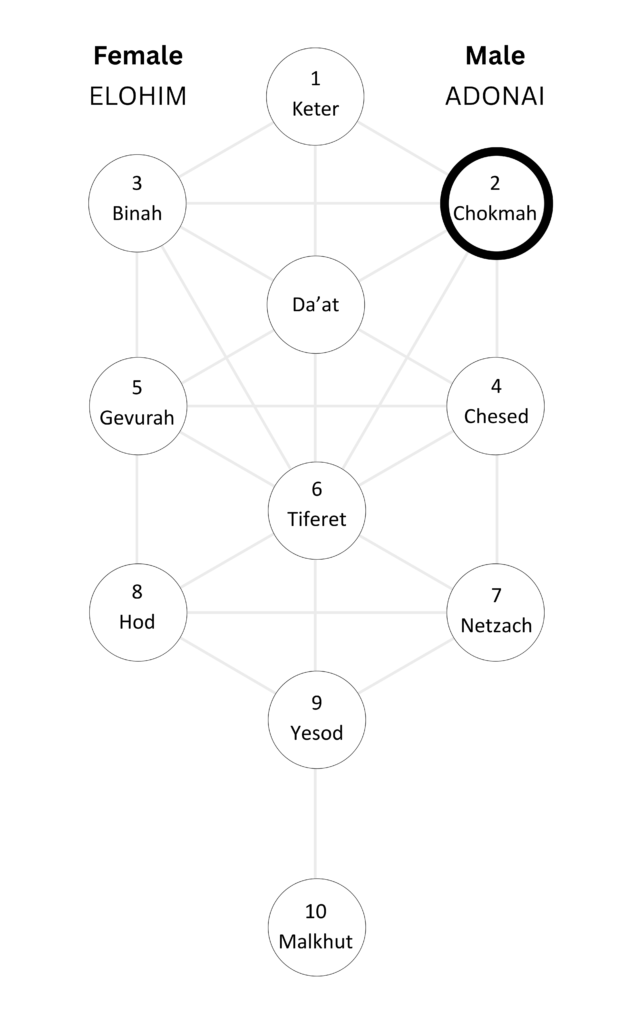
The Tree of Life
עץ חיים
The Story of Rabbi Joshua, whom the Apostels re-named Jesus, and referred to as a Massiah is Christian allegory, created close to 100 years after the death of Rabbi Joshua.
Creating a “false God” caused the separation between Jews and Christian’s.
The words “My God, my God, why have you forsaken me?” were plagiarised by the apostles and falsely attributed to “Jesus”. They were written by King David in Psalm 22, one thousand years prior to Rabbi Joshua.
The concept of “Jesus” as a God is considered in Judaism as breaking the second Commandment.
“Massiah” is a Christian distortion of the Hebrew word Mashiach, משיח.
משיח is a time, an epoch,
not a person,
not a messiah.
Not Rabbi Joshua, “Jesus”.
The epoch will be revealed in the seventh Millennial. It will be a time of universal peace, spiritual enlightenment,
and
the return of all B’nai Elohim בני האלהים (the sons of God) to Israel.
Clearly, we are not close to the seventh Millennial.
We do not know when the Messianic age will arrive.
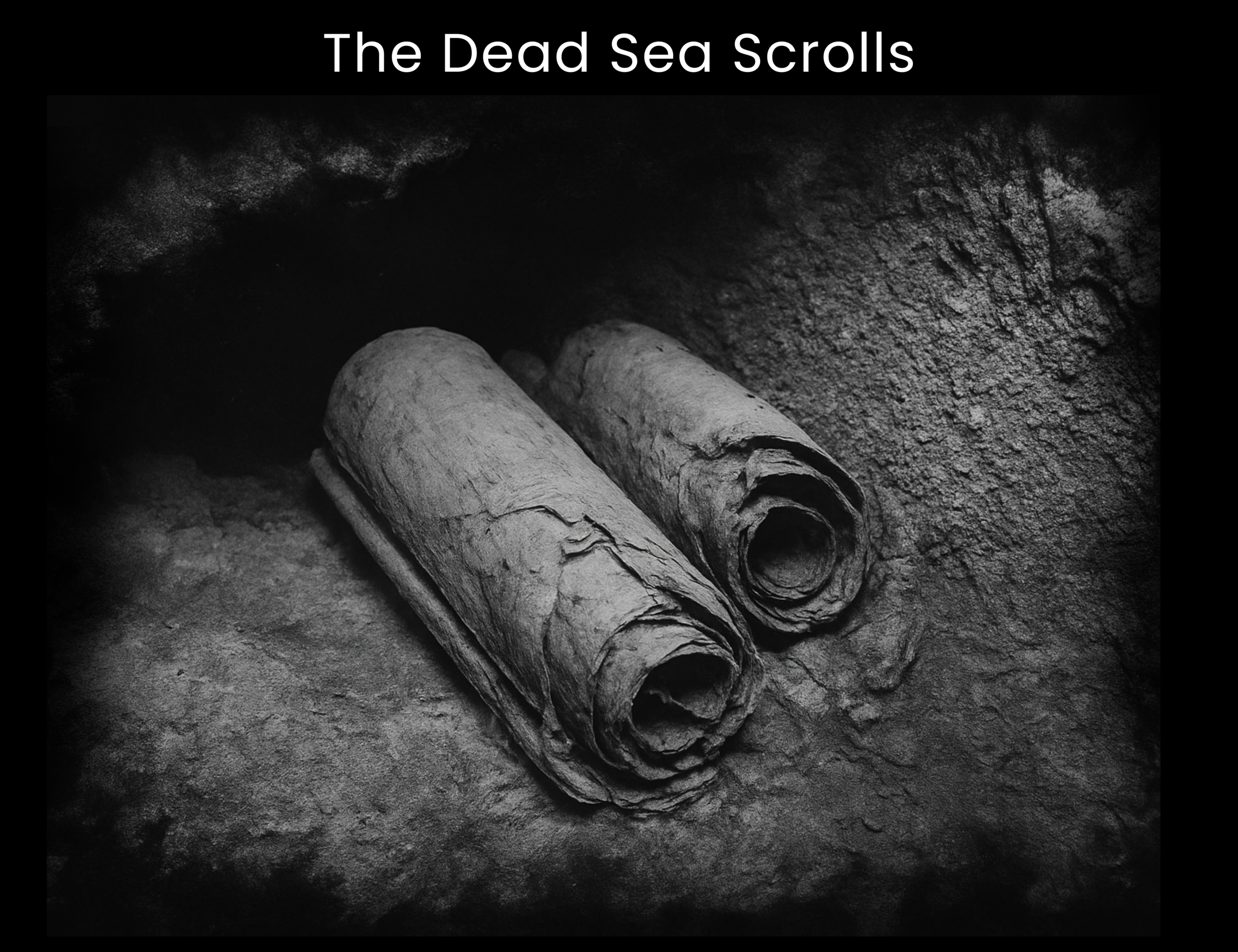
The Dead Sea Scrolls
About 950 scrolls written on parchment between 300 BC and 100 AC, were discovered in clay jars in the Qumran caves about 75 years ago. The caves are about 21 kilometers from Jerusalem. The Essene Jews hid in the caves to escape the Romans.
The parchment was difficult to unroll, and required technological expertise developed at the Jerusalem university. The scrolls contained biblical texts and historical records with the potential to revolutionise religious history.
The Scrolls are 100% consistent with the Torah תורה, and accord entirely with the records of the Roman historian at the time, Josephus.
Josephus is considered as an eyewitness source to Roman and Jewish events in the first century.
The scrolls contain the Essene (Judaic) teachings which were later attributed to “Jesus” by the apostles.
What is astonishing is what the scrolls, and Josephus, do not refer to.
They do not refer to a mythological being named “Jesus”, who was created by the Apostles long after the death of Rabbi Joshua. The apostles never knew the Rabbi, and the teachings they falsely attributed to “Jesus” were the teachings of the Essenes.
The Jerusalem University and the Vatican reached an agreement, never revealed until now, in The World of Kabbalah.
If the content of the scrolls were to be revealed, it would undermine the moral, ethical and behavioural belief system of 2.4 billion Christians worldwide, about one third of the global population. They agreed that this could be catastrophic.
Where are the scrolls?
The scrolls are stored in the most secure location on earth. Humidity and temperature controlled, in sealed inaccessible glass vaults, under the Vatican.
Source
The late professor of Biblical studies Prof. M, at the Jerusalem university.
Prof. M informed Allan Price, in confidence, of the astonishing agreement between the Vatican and the Jerusalem University.
However, in a world blinded by false belief and, once again consumed by anti Semitism, words of truth must be spoken.
Prof. M. must remain anonymous.
May his memory be a blessing.
Allan Price
Chaim Mordechai Ben Gershon.