The Gregorian Calendar
There is no year 0 in the Gregorian calendar, because the concept of zero did not exist.
Year 1 is 1 AD.
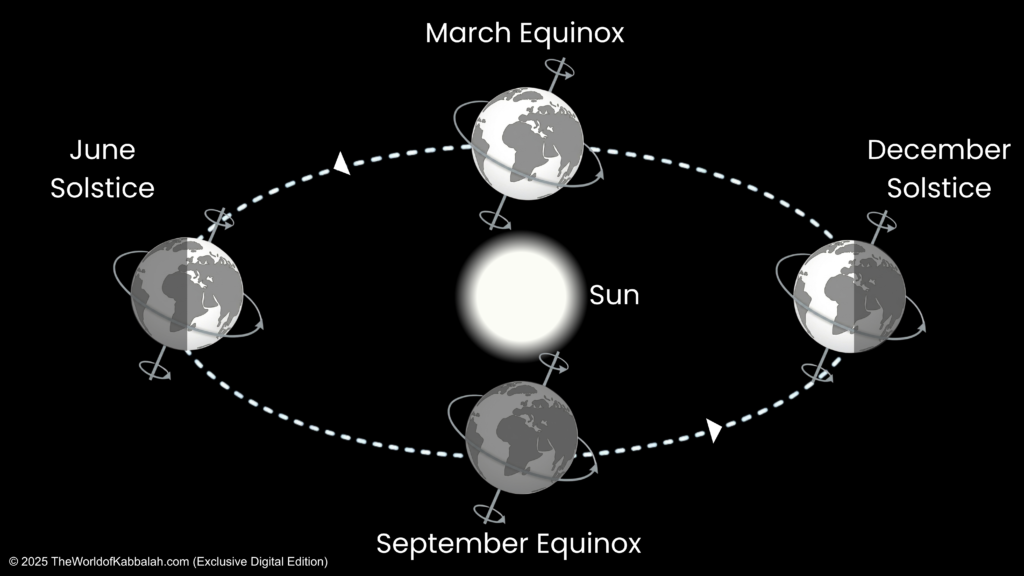
The Gregorian calendar is based on the Earth’s elliptical orbit around the Sun. The orbit takes approximately 365.2422 days, which is simplified to 365 days. An extra day on February 29th is added nearly every four years to allow for the difference.
In the Gregorian tradition each day begins at midnight.
The Hebrew Calendar
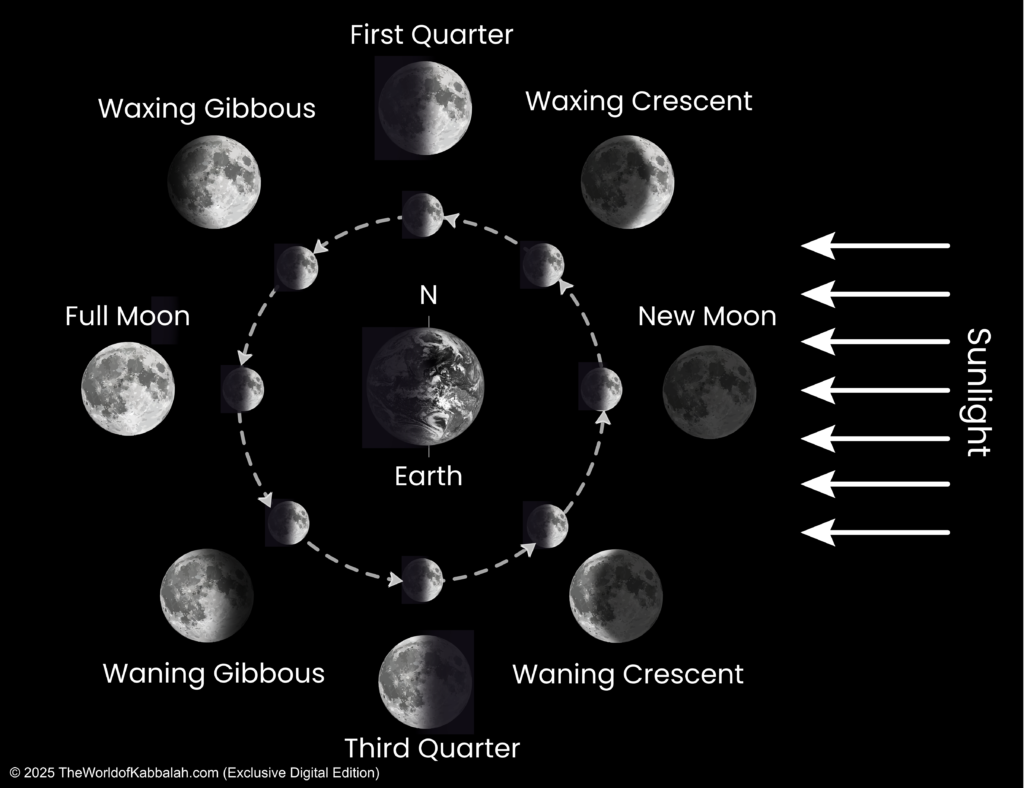
The Hebrew calendar is a lunisolar system based on 12 lunar months (29-30 days) of about 354 days. It is adjusted to the solar year (approx. 365 days) by adding an extra month seven times every 19 years.
The 12 months of the Hebrew year alternate between 29 and 30 days to match the 29.5-day lunar cycle.
The current year, which starts at Rosh Hashanah in the autumn, is counted from the biblical creation. According to Scripture, God created “the heavens and the earth” fully formed and functioning in six days, about 6,000 years ago.
The current Gregorian year 2026, is the Hebrew year 5786.
The months are:
1
2
3
4
5
6
7
8
9
10
11
12
ניסן
אייר
סיון
תמוז
אב
אלול
תשרי
חשון
כסלו
טבת
שבט
אדר
Nisan
Iyar
Sivan
Tammuz
Av
Elul
Tishrei
Cheshvan
Kislev
Tevet
Shevat
Adar
In the Hebrew tradition, each day begins at sunset.
© 2026 The World of Kabbalah.com. All rights reserved. No text information or images from this site may be used on any other platform.